
2026.05.22
49th Program in New York, USA (FY2024)


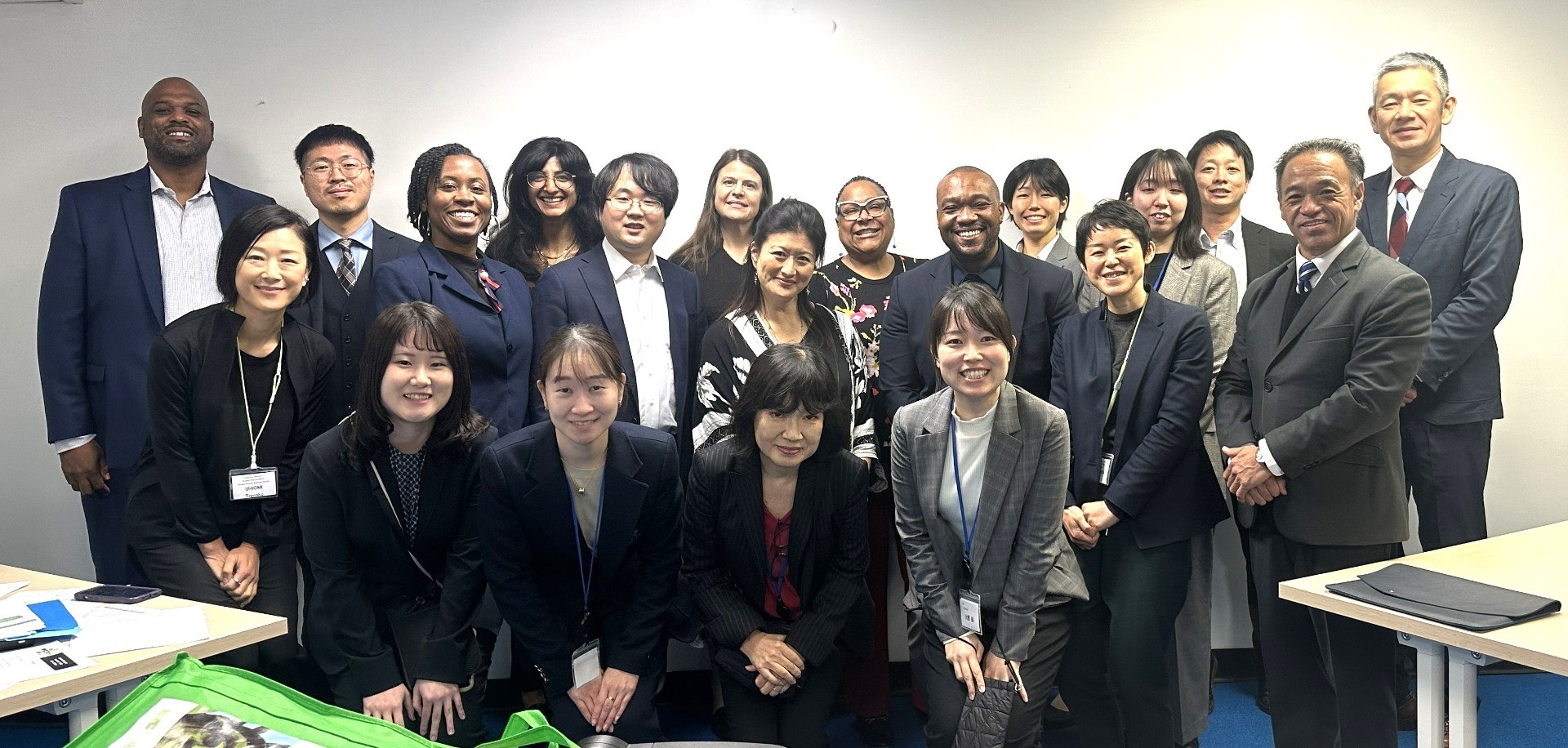
Participants in the 49th “Overseas Training Program for Child Care Facility Personnel” visited New York, USA.
In the program, from a preventive standpoint on child abuse, participants explored current systems, policies, and support practices in child protection and child-family welfare, alongside the latest findings from research. The training report summarizing the learnings was published in March 2025.
Number of participants
10 (including the training leader and the special lecturer)
Training period
【On-site training】 November 2 to 10, 2024 【Remote training】 December 12, 2024
Main training content
- Development of child and family support to break cycles of intergenerational risk
- Current issues and underlying factors related to child maltreatment, and approaches toward solutions
- Practical models of family support delivered through collaboration between Child Protective Services(CPS) and community-based agencies
- Recent development in evidence-based therapeutic programs
List of Training Destinations
| New York State Office of Children and Family Services |
| City of New York Administration for Children’s Services |
| City of New York Department of Youth & Community Development |
| The New York Foundling |
| Children’s Village in Dobb’s Ferry |
| Friends of the Children-New York |
| Child Life Zone, The Child Life and Creative Arts Therapy Department, Mount Sinai Kravis Children’s Hospital |
| Healthy Brain Network, Child Mind Institute |
| Advanced Science Research Center, The Graduate Center, City University of New York |
| Yoko Nomura Ph.D., Professor of Psychology (Cognitive & Behavioral Neurosciences & Clinical Psychology), Queens College & Graduate Center, CUNY |
Training Report Session
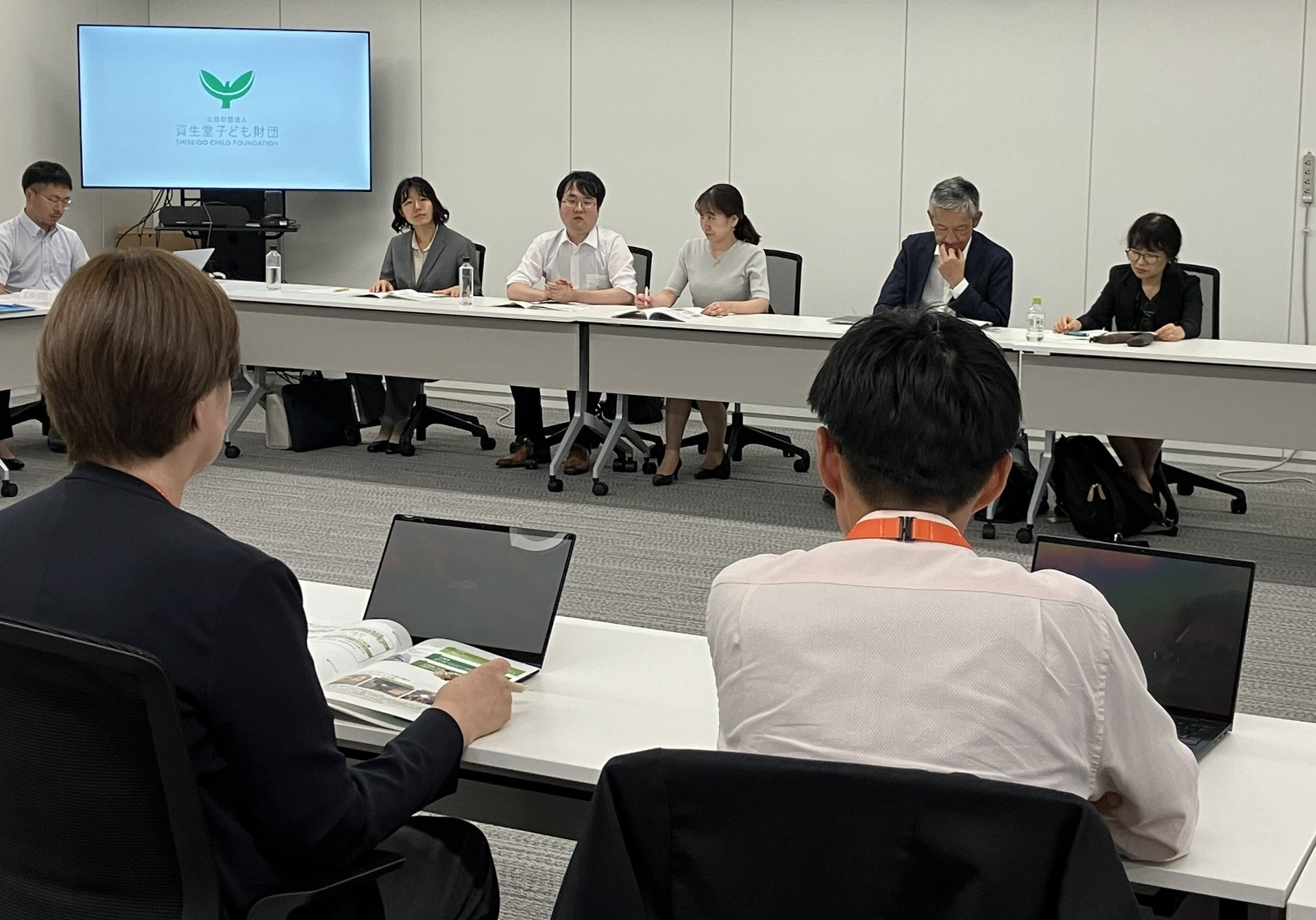
On June 30, 2024, the Training Report Session on the New York program conducted in November 2024 was held for the Children and Families Agency. At the session, the training team explained recent policy trends in the United States, where increasing emphasis has been placed on the prevention of child maltreatment rather than solely on reactive child protection measures. They then provided an overview of the historical development of the U.S. child welfare system and key related legislation, followed by presentations on specific initiatives observed at governmental agencies, community‑based organizations, and research institutes in New York. Finally, the team summarized the lessons learned from the training and presented six key proposals for action based on the concepts of community, family‑first, and evidence‑based practice.
DONATE
What You Can Do
You can help support children's future in a way that best suits you, so that they can be happy and free to shine in their own way.